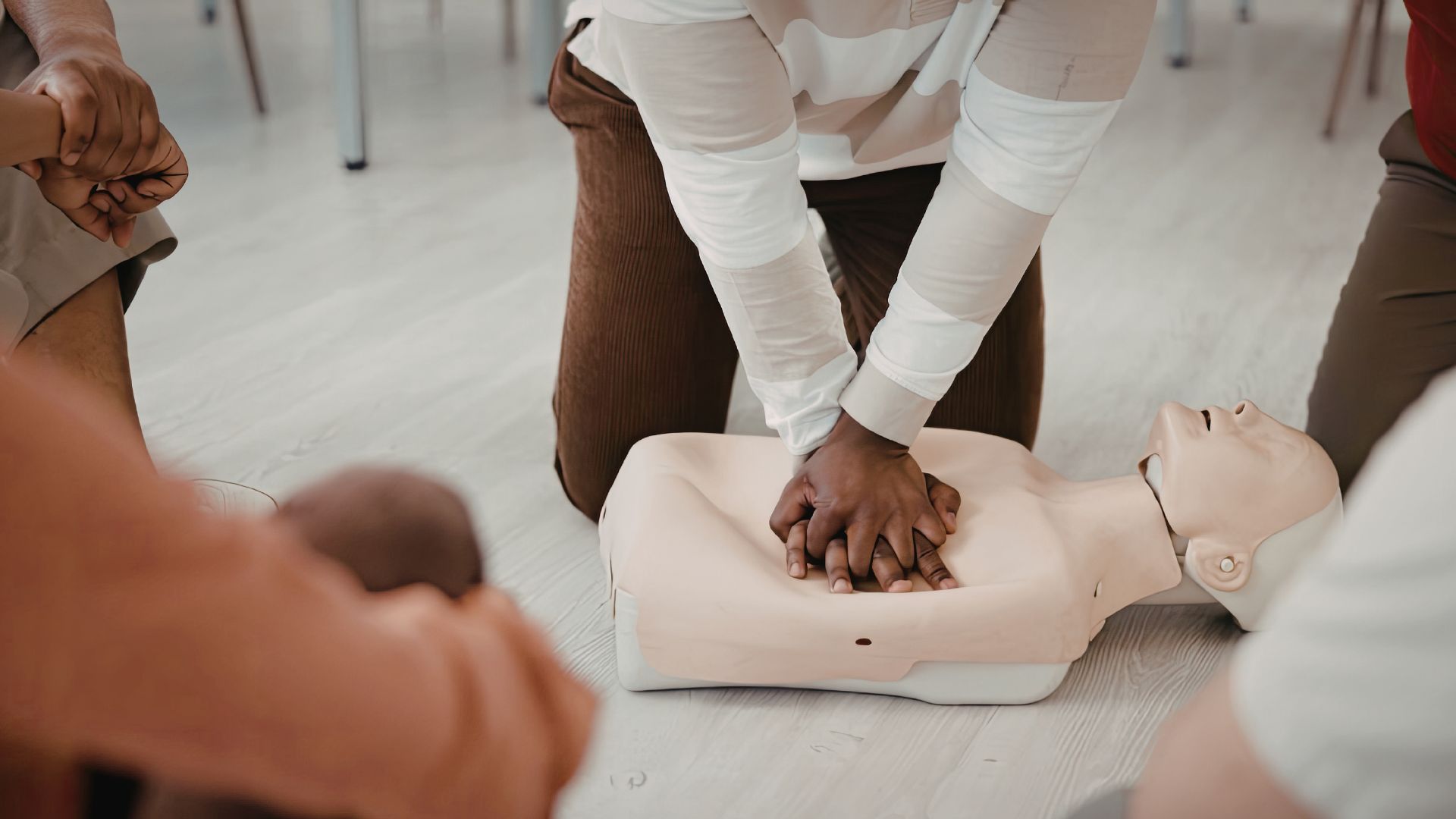
Completing a CPR Certification course is an important step for healthcare professionals, teachers, coaches, childcare providers, fitness instructors, and anyone who wants to be prepared for unexpected emergencies. While many people understand the value of CPR training, they are often unsure how long their certification remains valid or when they should schedule a renewal course to keep their credentials current.
In Baltimore, CPR training is commonly required for a wide range of jobs, volunteer positions, and professional organizations. Even if certification is not mandatory for your role, regularly renewing your training helps reinforce essential lifesaving skills and keeps emergency response procedures fresh in your mind. Understanding when and how to renew your certification can help ensure you’re always prepared to respond confidently when an emergency occurs.
Why CPR Certification Has an Expiration Period
Unlike many educational achievements that remain valid indefinitely, CPR certification typically requires periodic renewal. The reason is simple: CPR skills can diminish over time if they are not practiced regularly.
Emergency response techniques are hands-on skills that require repetition and reinforcement. As months and years pass, it becomes easier to forget important details regarding assessment, response procedures, and proper technique. Renewal courses help individuals refresh these skills and maintain confidence when faced with a real emergency.
Periodic recertification also provides opportunities to review any updates to training practices and reinforce best practices that can help individuals respond more effectively.
How Long Does CPR Certification Usually Last?
Most CPR certifications remain valid for a specific period before renewal is recommended or required. While exact requirements may vary depending on the organization providing certification, many people find that renewal becomes necessary every few years.
Because employers, licensing boards, schools, and professional organizations may have their own requirements, it is important to verify the expiration date listed on your certification card and understand any renewal deadlines that may apply to your profession.
Waiting until after a certification expires can sometimes create complications, particularly for individuals whose jobs require continuous certification status.
Why Baltimore Professionals Often Need Current Certification
Baltimore’s diverse workforce includes many professions that regularly require CPR training and certification. Hospitals, schools, fitness facilities, childcare centers, nursing facilities, community organizations, and public safety agencies often expect employees to maintain current credentials.
Professionals who commonly maintain CPR certification include:
-
- Nurses
-
- Physicians
-
- Medical assistants
-
- Teachers
-
- School staff
-
- Childcare providers
-
- Personal trainers
-
- Coaches
-
- Lifeguards
-
- Security personnel
-
- First responders
For these individuals, allowing certification to expire may impact employment requirements or workplace compliance standards.
The Importance of Regular Skill Refreshers
Even if someone never experiences an emergency situation, periodic CPR training can still provide significant value.
Many people are surprised by how much information they forget after a few years. Emergency response procedures become more difficult to recall when they are not used regularly. Refresher courses help reinforce important concepts and allow participants to practice skills in a structured environment.
Benefits of regular renewal include:
-
- Increased confidence during emergencies
-
- Better retention of CPR techniques
-
- Improved familiarity with emergency response procedures
-
- Greater comfort using an AED
-
- Reinforcement of first aid knowledge
The goal of renewal is not simply obtaining another certification card. It is maintaining the practical skills that may someday help someone in need.
CPR Certification for Healthcare Workers
Healthcare professionals often have additional certification requirements based on their roles and work environments.
Many healthcare facilities require employees to maintain specific credentials as part of their employment conditions. Since patient care environments can involve high-stress situations, maintaining current emergency response skills is particularly important.
Healthcare workers may participate in recurring training programs that help reinforce CPR techniques and emergency preparedness throughout their careers.
Because requirements can differ between employers and job classifications, healthcare professionals should always confirm renewal expectations with their organization.
CPR Certification for Teachers and Childcare Providers
Children spend much of their day under the supervision of teachers, childcare providers, coaches, and school staff. For this reason, many educational institutions require CPR certification as part of employee qualifications.
Maintaining current certification helps ensure that staff members remain prepared to respond if a student experiences a medical emergency.
Schools and childcare facilities often view CPR training as part of a broader commitment to safety and emergency preparedness. Renewal training helps reinforce those skills and keeps emergency response procedures familiar.
CPR Certification for Fitness and Recreation Professionals
Baltimore residents participate in a wide range of recreational activities, including gym memberships, sports leagues, fitness classes, swimming programs, and community events.
Fitness professionals frequently work with individuals engaging in physical activity, making emergency preparedness especially important. Trainers, coaches, and recreation staff often maintain CPR certification to help support participant safety.
Because physical activity can sometimes trigger unexpected medical emergencies, maintaining current certification helps ensure these professionals are prepared to respond appropriately.
What Happens If Your CPR Certification Expires?
Allowing a certification to expire does not necessarily mean you lose all the knowledge gained during training. However, it can create challenges if current certification is required for employment or participation in certain programs.
Potential consequences of expired certification may include:
-
- Employment compliance issues
-
- Delays in job applications
-
- Ineligibility for certain positions
-
- Additional training requirements
-
- Reduced confidence during emergencies
Scheduling renewal before expiration can help avoid unnecessary interruptions and ensure continuous certification status.
Signs It May Be Time to Renew Your Training
Many people wait until they receive an expiration notice before thinking about renewal. However, there are other indicators that refresher training may be beneficial.
You may benefit from renewal training if:
-
- You cannot remember important CPR steps.
-
- You have not practiced skills in several years.
-
- Your certification is approaching expiration.
-
- Your employer requires updated credentials.
-
- You want additional confidence in emergency situations.
Even experienced individuals often find value in periodic review and hands-on practice.
Why CPR Skills Matter in Baltimore Communities
Baltimore is home to vibrant neighborhoods, schools, businesses, healthcare facilities, and community organizations. Medical emergencies can occur in any setting, whether at home, at work, during recreation, or in public spaces.
The more individuals who maintain current CPR skills, the more prepared communities become to respond during unexpected situations. Training creates opportunities for ordinary people to gain the knowledge and confidence needed to assist during emergencies while professional responders are on the way.
Prepared communities are stronger communities, and CPR training plays an important role in supporting public safety.
Keeping Your CPR Skills Current for Long-Term Readiness
Knowing when to renew your certification is an important part of maintaining emergency preparedness. While certification periods vary depending on the training provider and individual requirements, staying proactive about renewal helps ensure that skills remain sharp and confidence remains high. Whether you need certification for work, volunteer activities, or personal preparedness, maintaining CPR Certification helps you stay ready to respond when an emergency occurs and someone needs immediate assistance.
Frequently Asked Questions About CPR Certification in Baltimore
How do I know when my CPR certification expires?
Most certification cards include an expiration date that indicates when renewal may be required. Checking your card periodically can help you stay ahead of renewal deadlines.
Do all employers in Baltimore require CPR certification?
No. Requirements vary by industry and position. Healthcare providers, educators, childcare professionals, and fitness instructors are among the professions most commonly required to maintain certification.
Can I renew my CPR certification before it expires?
Yes. Many individuals choose to renew before their certification expires to avoid gaps and maintain continuous credentials.
Is CPR renewal different from initial certification?
Renewal courses often focus on reviewing and reinforcing previously learned skills, although specific course formats may vary.
Why is it important to keep CPR skills current?
Skills can become less familiar over time if they are not practiced. Renewal training helps reinforce techniques and improve confidence during emergencies.
Who should maintain CPR certification even if it is not required?
Parents, caregivers, coaches, community volunteers, and anyone interested in emergency preparedness may benefit from keeping their CPR skills current.